
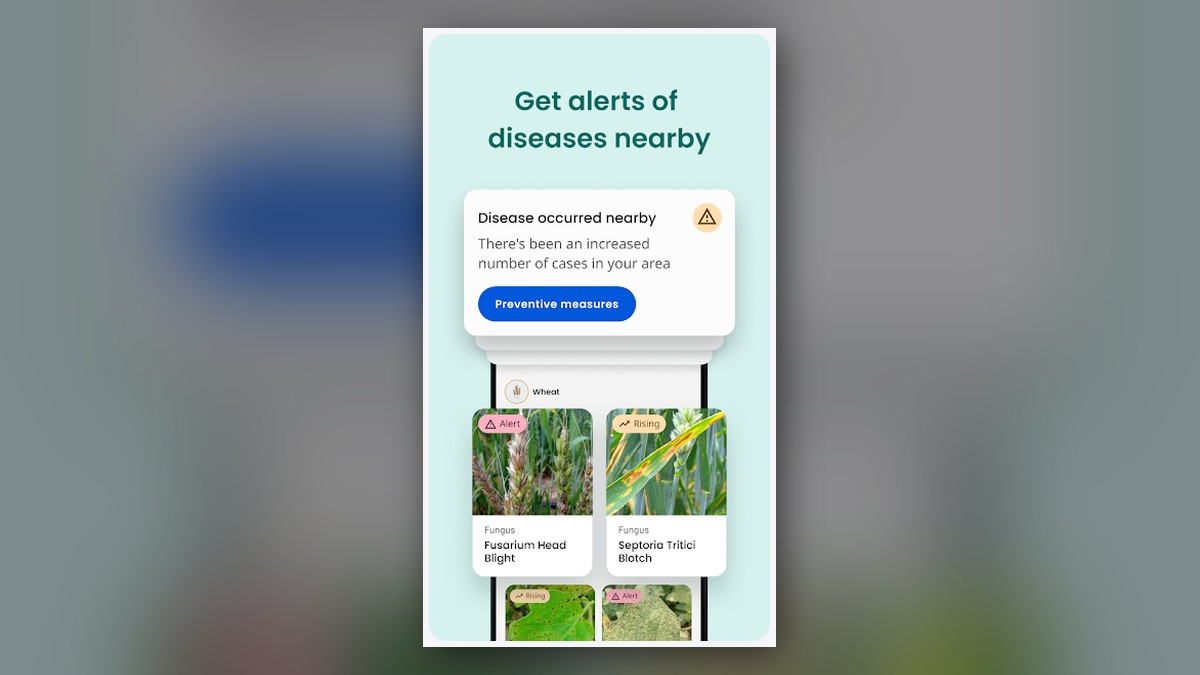
Plantix is a free mobile app that identifies plant diseases, pests, and nutrient problems from a photo, with a diagnostic accuracy of 73–74% on real field images (95% on a curated test set). Developed by PEAT GmbH (now a subsidiary of Helm AG), it is one of the most downloaded agricultural technology apps in the world, with over 40 million downloads and more than 100 million images analyzed since 2016.
How does Plantix work?
Plantix uses deep learning image recognition. You snap a picture of the affected crop, and the app’s neural network, trained on more than 150 million real field photos, returns a diagnosis in seconds along with treatment options in your language. The system covers over 970 distinct pests, diseases, and nutrient deficiencies across 57 crop types, and provides recommendations validated with research from multiple academic partners including Stanford University and ZALF.
What crops and diseases does Plantix cover?
The app currently supports over 57 crops including cereals (rice, wheat, maize, barley), fruits (apple, banana, citrus), vegetables (potato, tomato, pepper), and cash crops (cotton, coffee, tea). It can identify over 970 pest, disease, and deficiency conditions, with treatment guidance in 19 languages. The coverage has expanded from an initial 30 crop-disease combinations at launch to the current breadth through continuous model updates.
Is Plantix free to use?
The core crop diagnosis feature is completely free and requires no subscription. Plantix generates revenue through a paid API toolkit for businesses that want to integrate the crop intelligence into their own platforms, and through its B2B partner programs that connect farmers with agri-retailers. The consumer app remains free for farmers regardless of scale.
Who is Plantix for?
Plantix serves farmers at every scale, from smallholders in the semi-arid tropics to commercial operations in Europe and North America. It is especially valuable for resource-constrained farmers who need quick, affordable plant health advice without traveling to an extension office. The app also benefits agronomists, agricultural students, and gardeners who want fast plant identification and treatment guidance.
What are the key features?
- AI photo diagnosis — instant identification from a single image, no expert needed on site
- Treatment recommendations — chemical, biological, and cultural control options backed by research
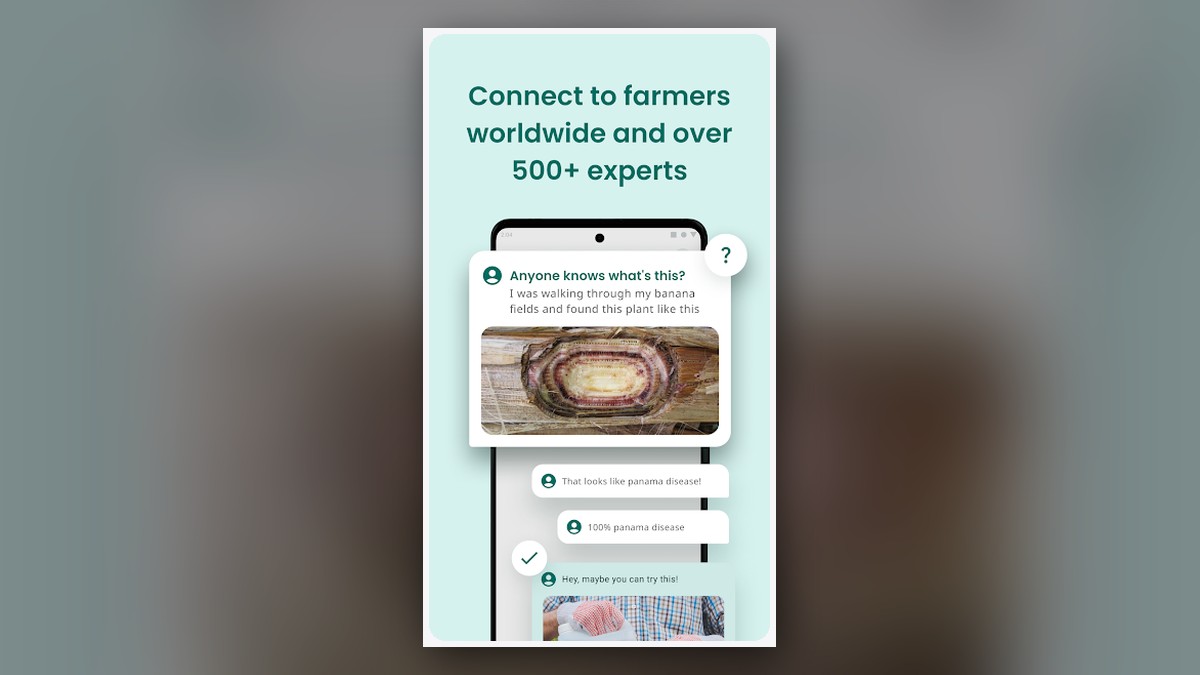
- Community forum — ask follow-up questions and share experiences with other farmers and agronomists
- WhatsApp bot — image recognition via WhatsApp for regions where messaging apps are the primary digital interface
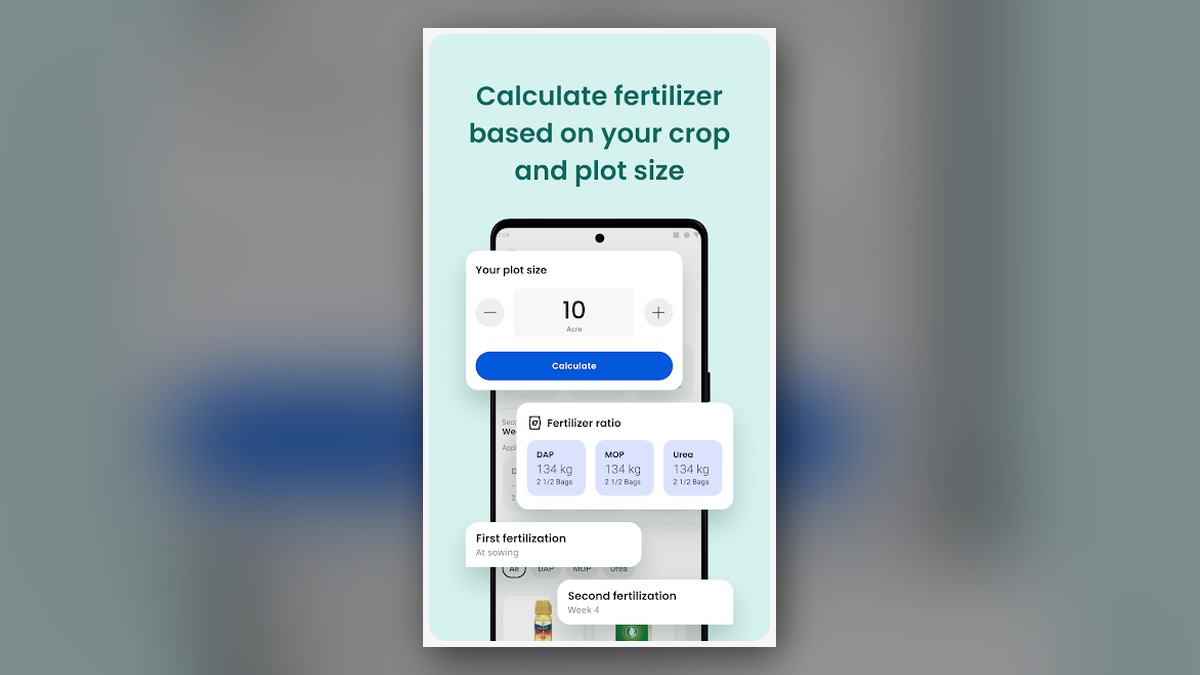
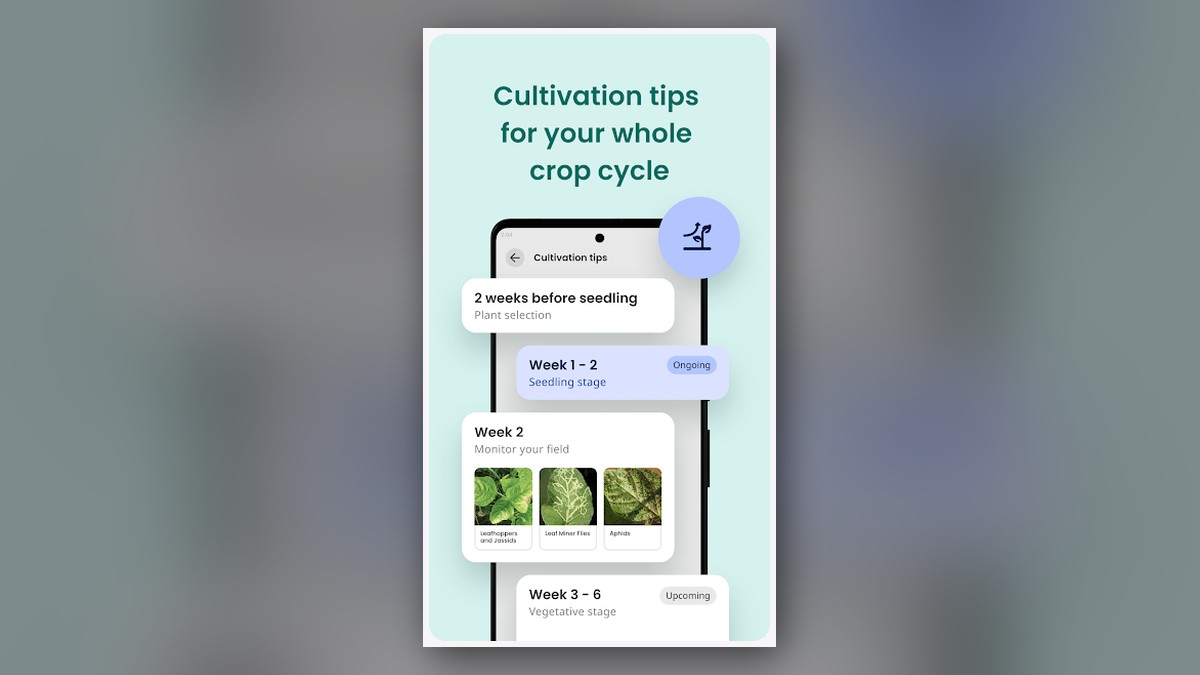
- Crop calendar and weather — seasonal planting guidance and localized weather forecasts
- Offline mode — limited functionality without internet access for remote farming areas
- Multi-language support — interface and advice in 19 languages
- API toolkit for businesses — integrate Plantix diagnosis into your own platform
What are the limitations?
Plantix’s accuracy depends on image quality: blurred or poorly lit photos reduce diagnosis reliability. Coverage of rare or region-specific diseases may be incomplete, and recommendations are not always optimized for local soil conditions or agronomic practices. The app requires internet connectivity for full functionality, and diagnostic quality can vary across crop types due to uneven representation in the training data. Independent researchers have called for more real-world accuracy benchmarking under field conditions.
What are the alternatives to Plantix?
For farmers in India, government apps like Kisan Suvidha and BharatAgri offer similar crop advisory services. In North America, commercial platforms like Climate FieldView provide broader farm management tools beyond disease diagnosis. The academic community also maintains the PlantDoc dataset and related open-source tools for plant disease detection research. For general gardening, apps like PictureThis focus on ornamental plants rather than food crops.
Why is Plantix considered the leading crop diagnosis app?
An independent peer-reviewed evaluation of 17 plant disease detection apps in Agronomy (2022) gave Plantix the highest overall score at 4.56 out of 5, noting it was the only app to simultaneously identify plants, detect diseases, and suggest treatments. The app’s 150 million+ image corpus has been cited in hundreds of peer-reviewed studies, and its developers maintain a public research page for academic use. Its research corpus has been used in studies with partners including Stanford University and ZALF (Leibniz Centre for Agricultural Landscape Research).
Features
FAQ
Can Plantix diagnose my plant for free?
Yes. The core photo-based diagnosis is free for all users. There is no paywall on the main feature. A paid API tier exists only for businesses integrating the technology.
How accurate is Plantix's diagnosis?
Plantix reports 73–74% diagnostic accuracy on real field images (95% on a curated test set). Accuracy depends on photo quality, lighting, and whether the specific crop-disease combination is well-represented in the training data.
Can I use Plantix without internet?
Limited offline functionality is available for certain features, but full diagnosis requires an internet connection to send the image to the recognition model.
Does Plantix work outside India?
Yes. The app operates in multiple countries and supports 19 languages. It has significant user bases in India, Europe, and other regions where smallholder and commercial farming coexist.
How does Plantix differ from other crop apps?
An independent academic study found Plantix was the only evaluated app that combined plant identification, disease detection, and treatment suggestions in a single workflow — a distinction that earned it the highest score among 17 apps tested.

Leave a Reply